The History of Croghan Colonial Bank
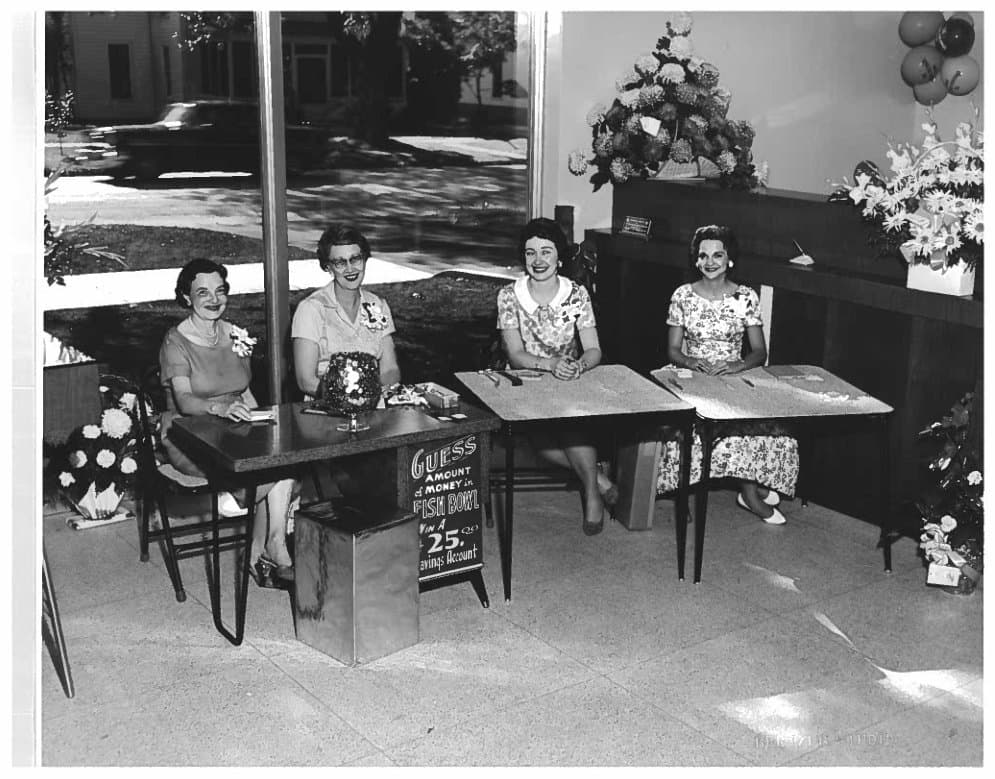
For more than 130 years, Croghan Colonial Bank has served Fremont, Ohio and Sandusky County. What began as a small, privately owned bank with $10,000 in capital has grown into a full-service community bank — and the story behind our name is one we’re proud to share.
Founded in 1888
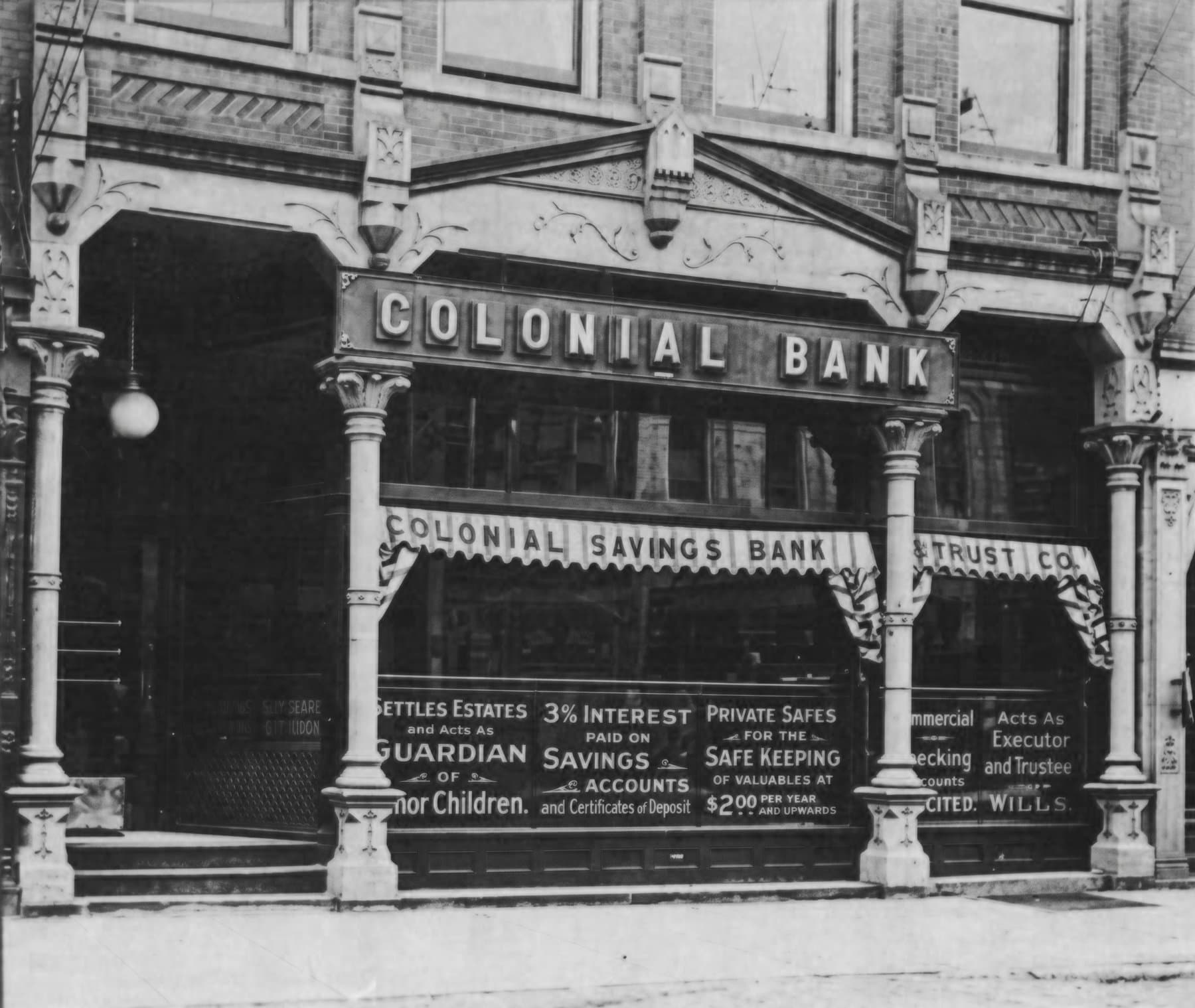
Croghan Colonial Bank traces its roots to July 25, 1888, when Augustus E. Rice and John W. Pero opened a small bank at 311 Croghan Street in Fremont. Neither man could have imagined the modest institution they started would one day grow into the bank it is today. Privately owned for its first two years, the bank was incorporated in 1890 as The Croghan Bank and Savings Co. — the name that would carry through more than a century of growth.
Where Our Name Comes From
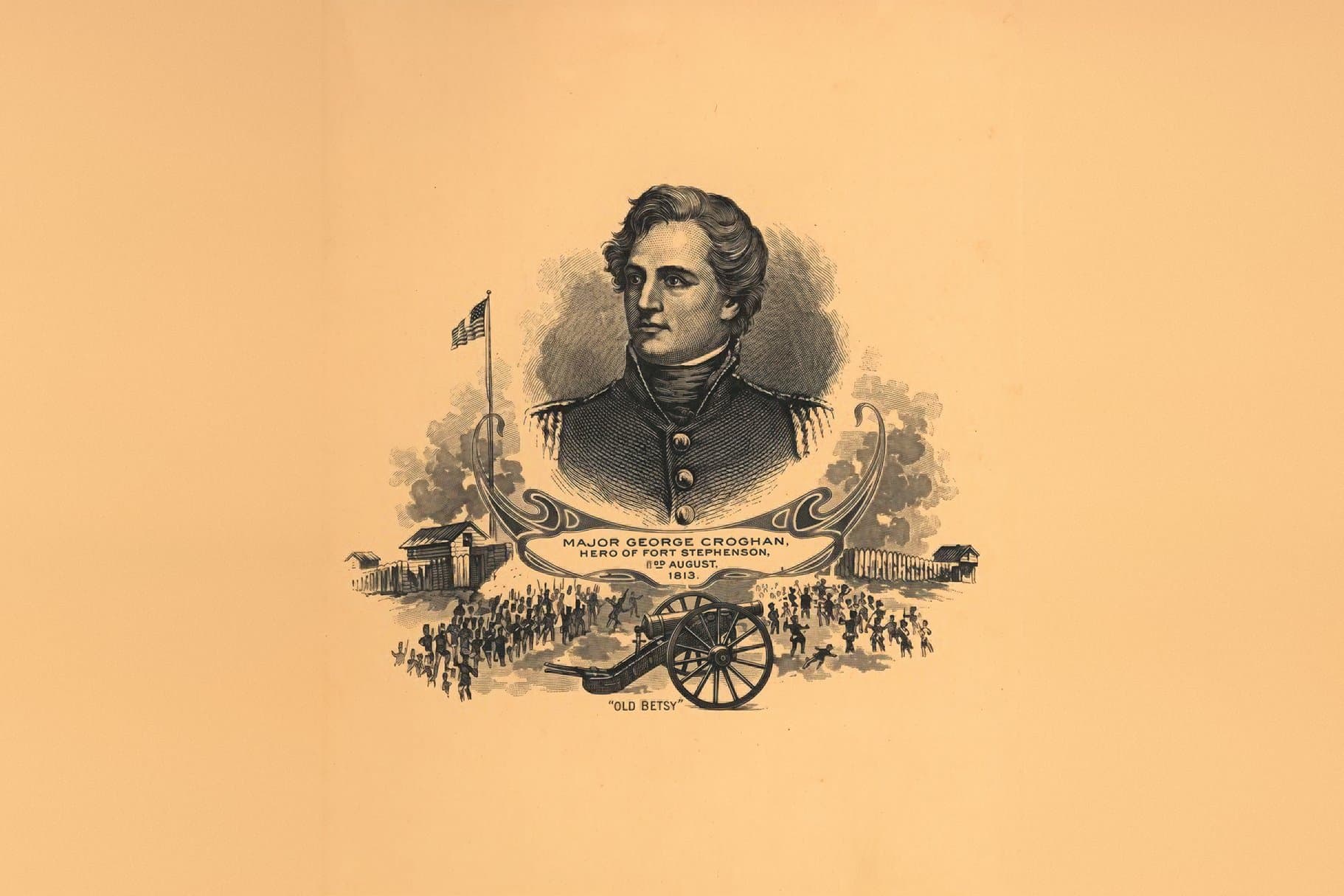
Our name honors Colonel George Croghan, a young officer whose bravery shaped local history. In August 1813, at just 21, Croghan commanded Fort Stephenson in what is now Fremont. When a much larger British and Native American force demanded his surrender, he refused — vowing the fort would be defended “to the last extremity.” With a single cannon, nicknamed Old Betsy, and only 160 men, Croghan’s garrison repelled the attack. Decades later, when Fremont’s community bank looked for a name reflecting the area’s character, Croghan’s courage made the choice clear. Today, we continue to proudly carry his name, honoring that same spirit of courage in how we serve our community.
Our Timeline
A Community Bank, Then and Now
What has stayed constant through more than a century of growth is our commitment to community. During World War I, officers and staff gave up vacation time to keep the bank running. Generations of local families have banked with us since childhood, growing alongside a bank that has always served Fremont and Sandusky County first. Today, that commitment reaches across six counties, including Sandusky, Erie, Huron, Seneca, Lucas and Ottawa, while still carrying forward the name and legacy of the man who gave us our name over 200 years ago.