
Smart Financial Planning for 2026
Expert insights from Tracy Baughman, SVP, Chief Investment Officer & Wealth Department Manager
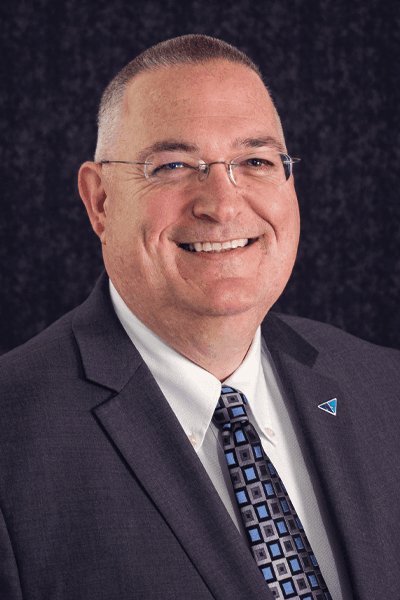
Tracy Baughman, AIF®, CIMA®, ATFA
SVP, Chief Investment Officer & Wealth Department Manager
Croghan’s Chief Investment Officer shares insights on saving, investing, and staying on track.
The financial planning landscape is always shifting. From changing interest rates to evolving market trends, it’s important to revisit your financial goals each year and make sure you’re on track. Tracy Baughman, Croghan’s Chief Investment Officer, shared his perspective on what’s ahead for 2026—and why thoughtful planning can make all the difference.
Interest Rates and the Yield Curve
One of the biggest forces shaping investments right now is interest rates. “We’ve been in an inverted yield curve environment, where short-term rates are higher than some long-term rates,” Tracy explains. “With the Federal Reserve expected to cut rates, we may see a more normalized curve. For investors, that means reviewing fixed income strategies to ensure portfolios are properly positioned.”
Market Concentration and AI Growth
Recent market gains have been dominated by mega-cap technology companies, many connected to artificial intelligence. While these companies are profitable, their valuations may be stretched. “It reminds me a bit of the dot-com era,” Tracy notes. “There’s a lot of money being invested, but it’s important not to overlook diversification. Areas like small-cap and international stocks haven’t experienced the same run-up and may offer opportunities.”
Why Saving Early Matters
No matter the market cycle, saving and investing consistently remain critical. Tracy encourages clients to build up to saving about 20% of their gross pay between contributions and company matches. “Most people can’t get there right away, but increasing savings gradually over time makes a big difference,” he says. “The earlier you start, the less of your own money you’ll need to contribute because compounding growth does so much of the work.”
Annual Check-Ins Are Key
Life changes—like marriage, children, or an inheritance—can all shift your financial picture. That’s why Tracy recommends revisiting goals regularly. “You wouldn’t want to change your long-term objectives just because of a short-term market swing,” he says. “But annual reviews help ensure your plan still fits both your personal situation and the broader economic environment.”
The Croghan Difference
Financial planning is complex, and no single person can know it all. That’s where Croghan’s team-based approach provides an advantage. “We have specialists in investments, taxes, trusts, and planning who work together for our clients,” Tracy explains. “That way, clients don’t have to follow the market every day. They can rest assured we’re managing their portfolios and making adjustments as conditions change.”
For Tracy, the key is starting small and staying consistent. “Planning for the future can feel overwhelming. I like to remind people of the old question: how do you eat an elephant? The answer is one bite at a time,” he says. “Every step you take today moves you closer to your long-term goals.”
Important Legal Disclosures
*Investment products and services may lose value, are not a deposit, are not guaranteed by any financial institution, and are not FDIC insured or insured by any government agency.